
Our Team
Meet the scientists of the "Cetacean Genomes Project" which aims to facilitate generation of reference genomes of all cetacean species.
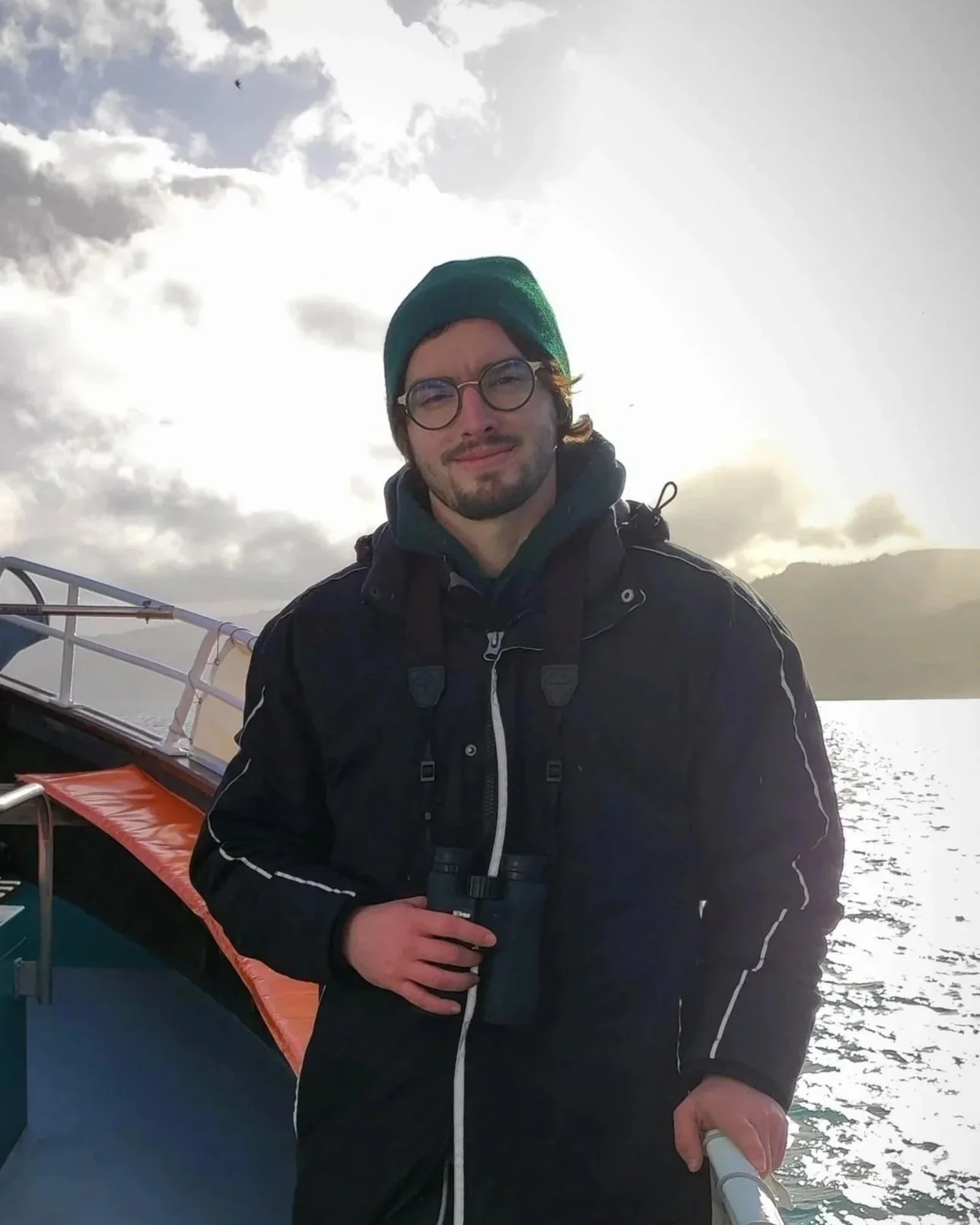
Marine and evolutionary biologist focused on understanding genetic diversity, adaptation, speciation, and demographic history in marine megafauna, particularly threatened species. He has extensive experience in genome assembly, demographic inference, and the application of population genomic tools to conservation and evolutionary questions. His work includes investigating genome evolution and structure, population history, and recovery in species affected by demographic decline, integrating multiple genomic approaches.
Project leader
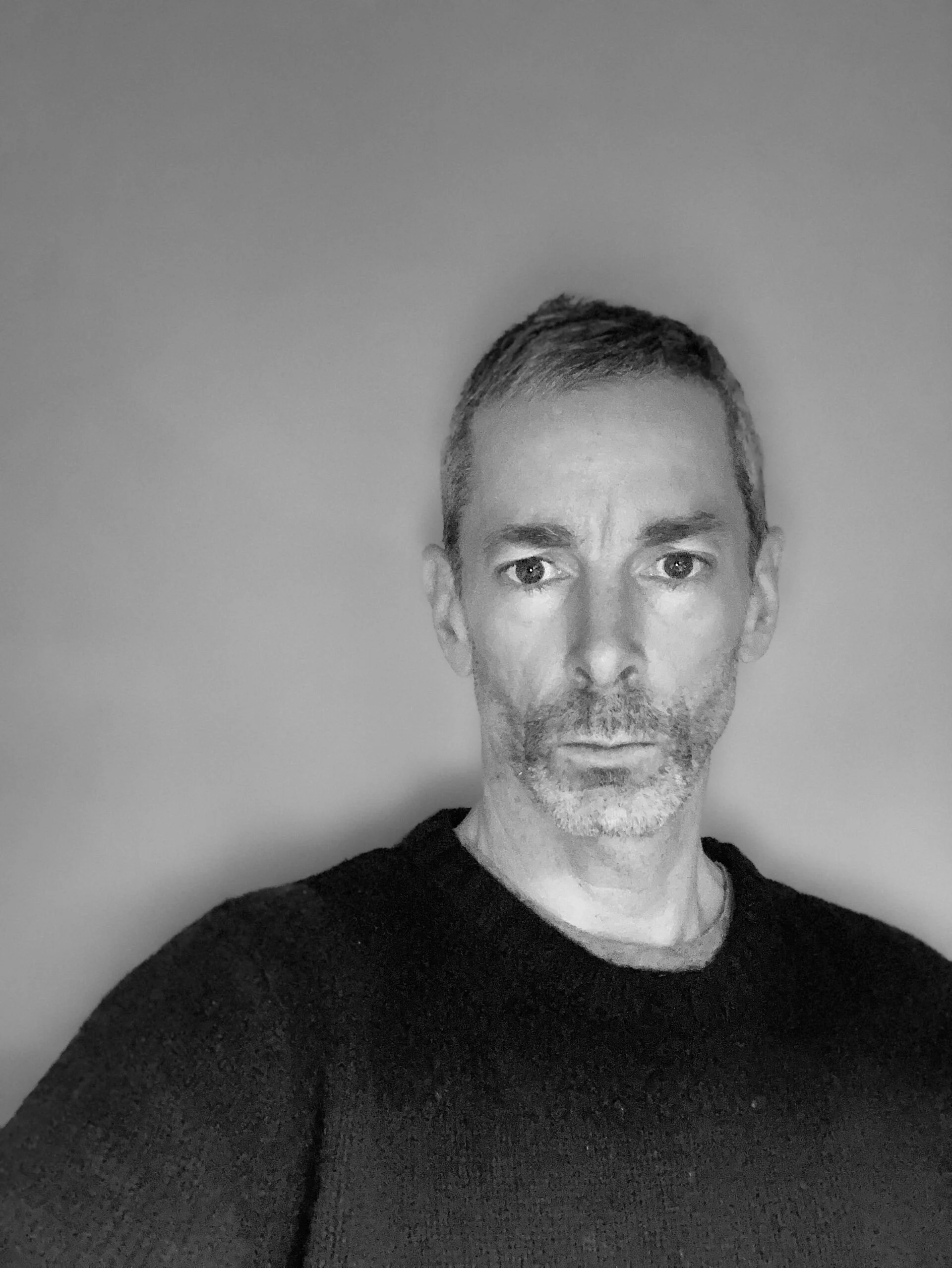
Sebastian Alvarez-Costes
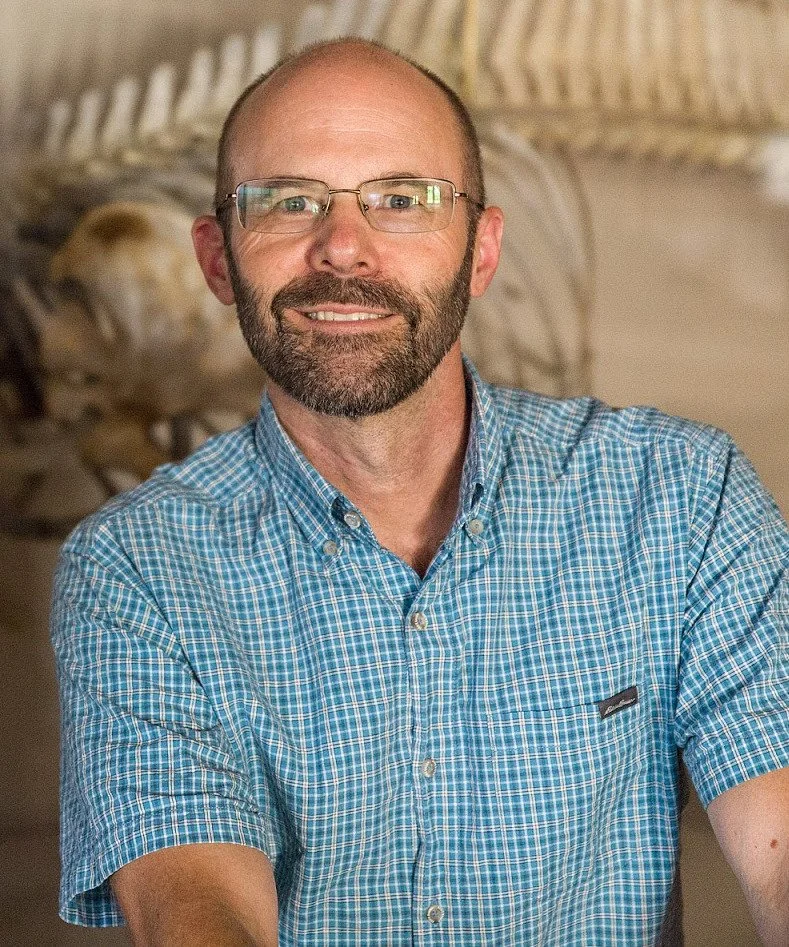
Phillip Morin
Population genetics and genomics researcher in the Marine Mammal Genetics Group. His research has focused on applying genetic and genomics tools to infer taxonomy, phylogeography, population structure, and historical changes in population size of cetaceans. This research supports the conservation and management of cetaceans under the US Endangered Species Act and Marine Mammal Protection Act.
Former leader and project founder
Advisory committee
Andy Foote
Evolutionary ecologist using ancient and modern DNA to study evolution through time and space. He works in the Department of Natural History at Norwegian University of Science and Technology.
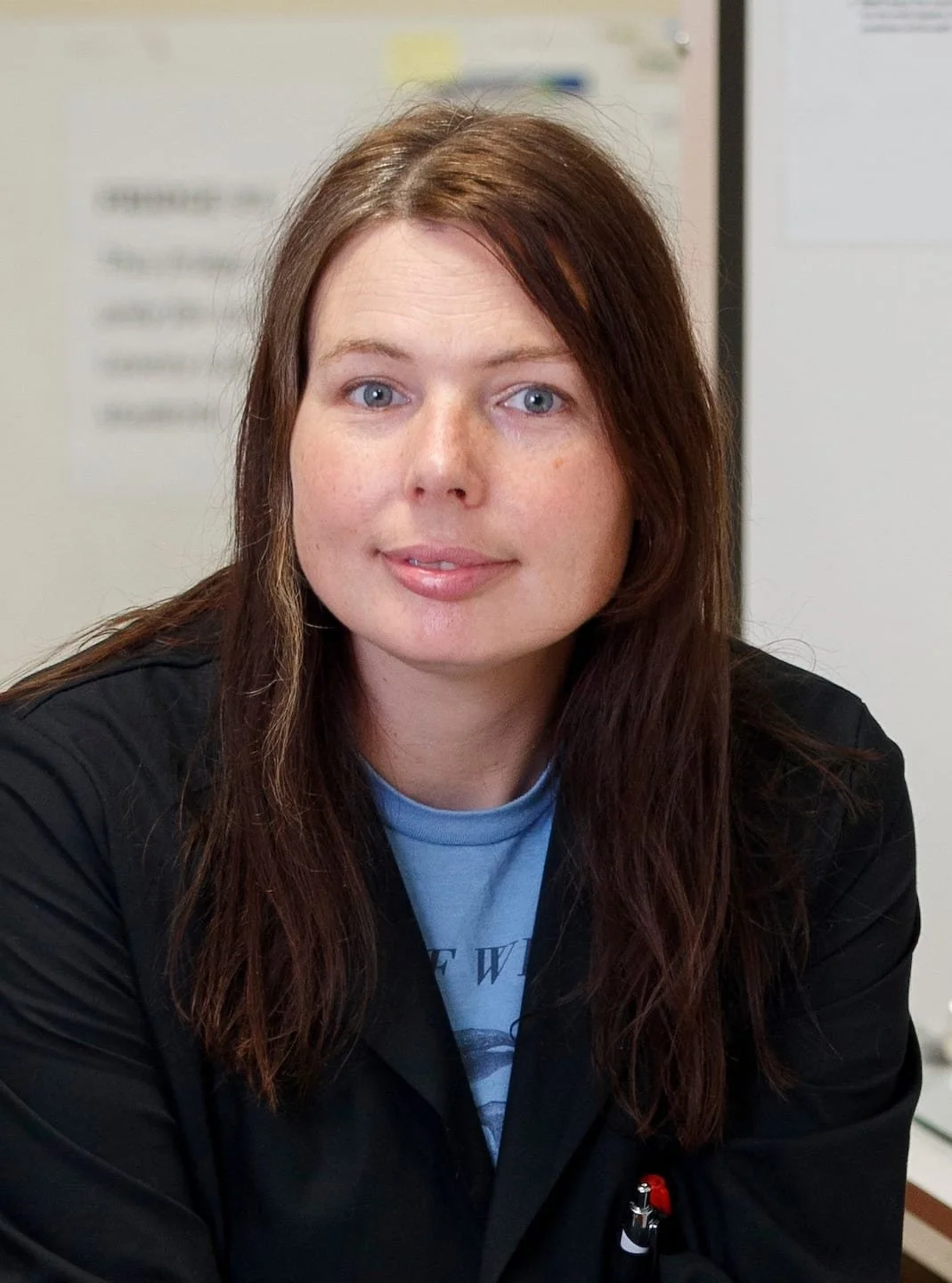
Molecular ecologist and statistical modeler with over 20 years of experience working on cetaceans, focusing on the integration of genomics, habitat modelling, and imagery-based demographic data. She has extensive expertise in leading large international projects and in combining genomic and demographic approaches to advance conservation research
Advisory committee
Emma Carroll
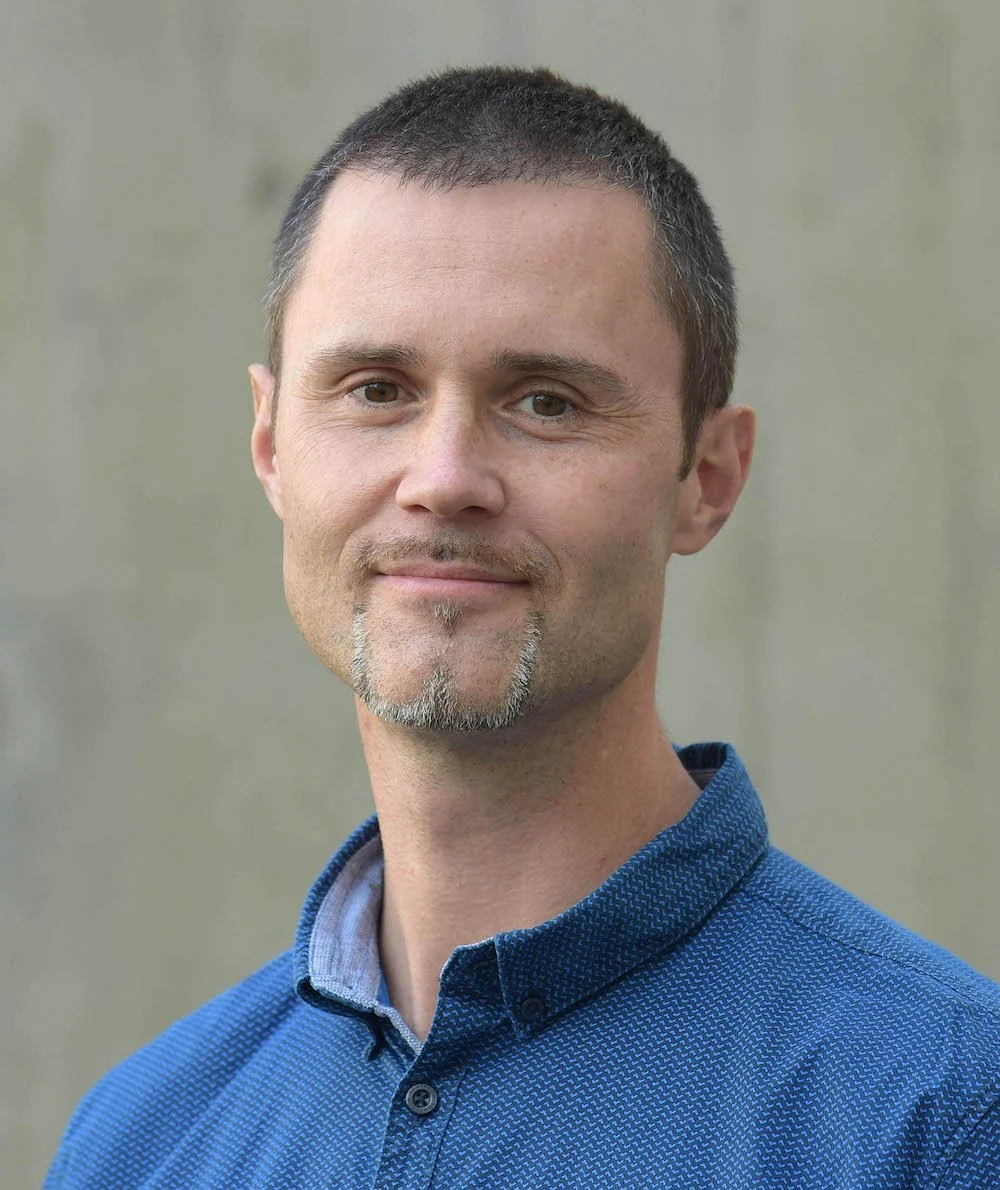
Professor of Comparative Genomics at the Senckenberg Research Institute Frankfurt & Goethe University Frankfurt, Germany. Michael’s group combines genome sequencing and assembly, with methods development and comparative genomics. His main interest is to understand how nature's fascinating phenotypic diversity has evolved and how it is encoded in the genome.
Advisory committee
Michael Hiller
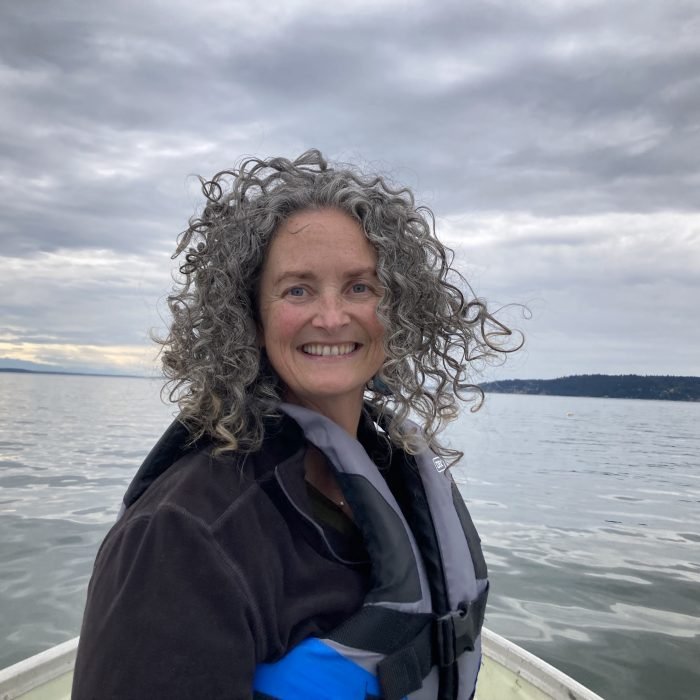
Biologist focused on marine eDNA approaches to characterise temporal and spatial patterns of prey availability for marine top predators, and on targeted eDNA approaches to generate population genomic data for small cetaceans. Emphasising the value of generating genetic data from non-tissue samples, including faeces and environmental DNA (eDNA).
Advisory committee
Kim Parsons
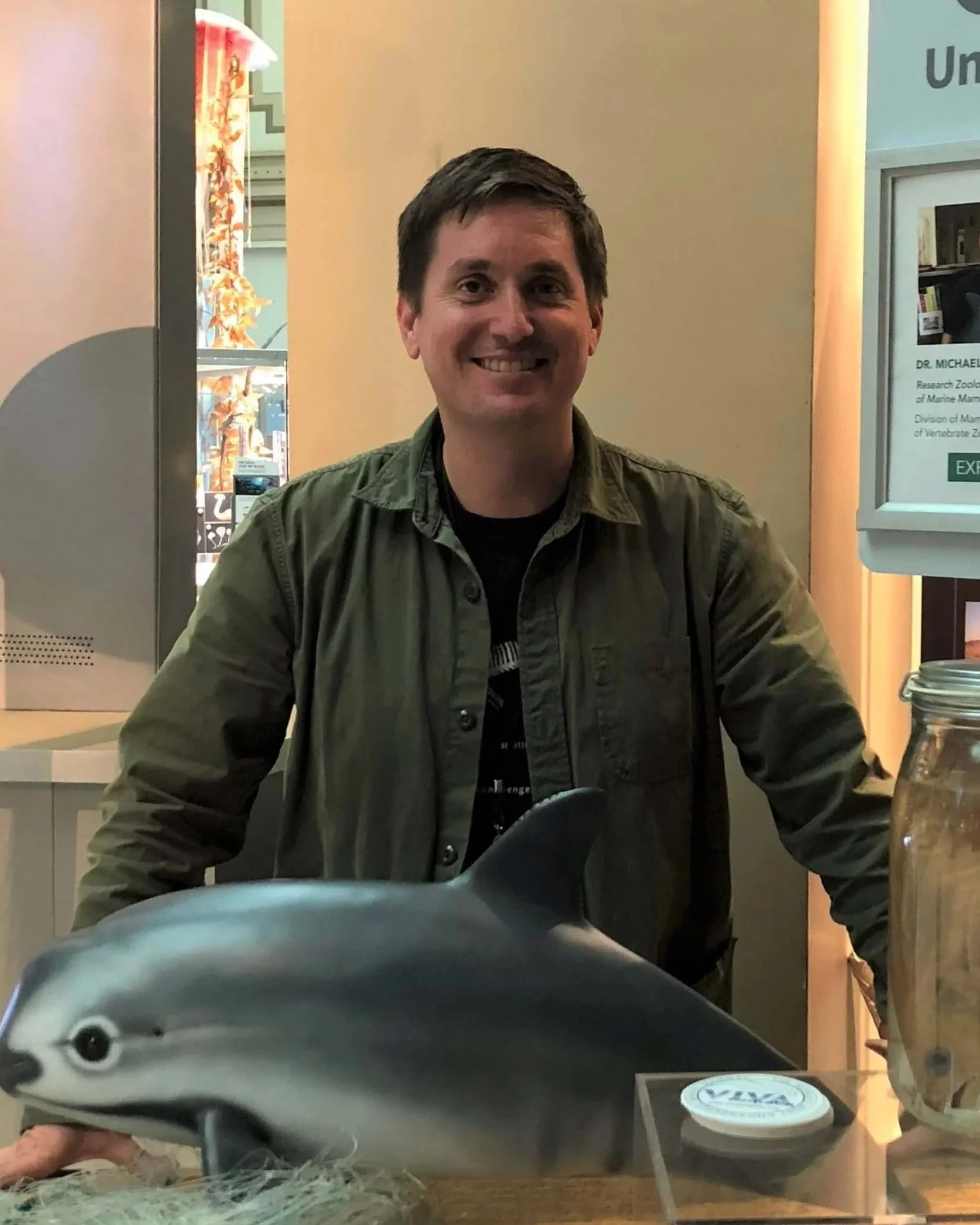
Evolutionary biologist who uses genetics/genomics to understand cetacean systematics, taxonomy, molecular evolution, and phylogeography. He works in the Division of Mammals at the National Museum of Natural History in Washington, District of Columbia.
Advisory committee
Michael McGowen
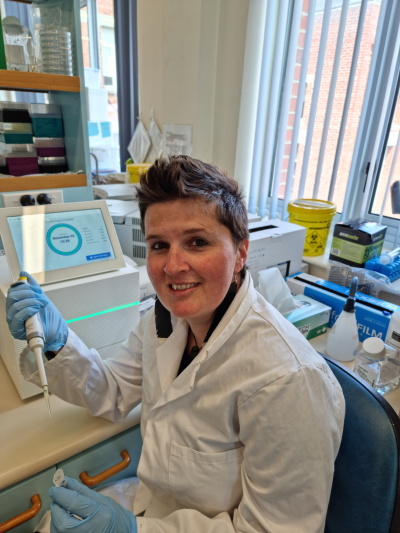
Molecular ecologist / evolutionary biologist who uses bioinformatic methods to focus on the interplay between pattern and process in genomic data. As a Māori scientist (Ngāpuhi, Te Hikutu), she also maintains a strong interest in ensuring her research supports Indigenous aspirations.
Advisory committee
Alana Alexander